Acupuncture and Chinese Medicine
Browning Smith DACM, L.Ac.
Browning emphasizes a classical approach to acupuncture and often employs the methods of the Fire Spirit School of Chinese Herbal Medicine. While respecting the historical roots of Chinese Medicine, he maintains a flexible practice appropriate for our modern setting.
Services
-
The core principles which runs through all schools of thought in Chinese herbal medicine and acupuncture can be summarized as “天人合一”, “Heaven and humans are one.” This philosophy holds that humans arise from nature and therefore follow the same cycles and fluctuations found in the natural world. So the human body is seen as a microcosm of the cosmos, with the same patterns that govern the natural world. This perspective guides all of the treatment strategies, which aim to restore harmony between the individual and their environment.
-
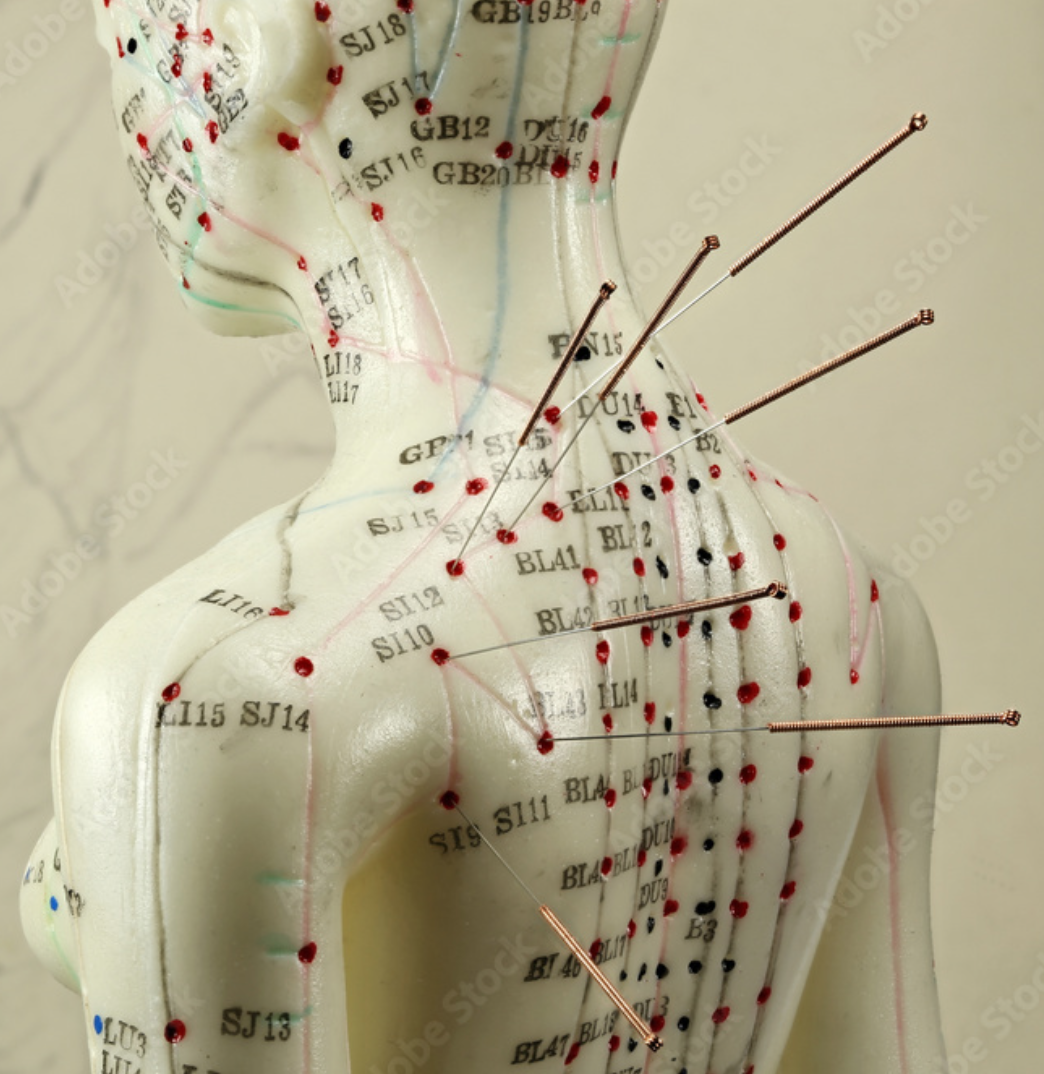
Acupuncture is the practice of inserting fine needles into specific points along the body. These points lie along channels where Qi flows. By interacting with this subtle network, acupuncture can adjust the balance of Yin and Yang to regulate the physiology of the internal organs, soothe the nervous system, ease the emotions, or release tension from the musculoskeletal system. Thus, restoring health to the mind and body.
-
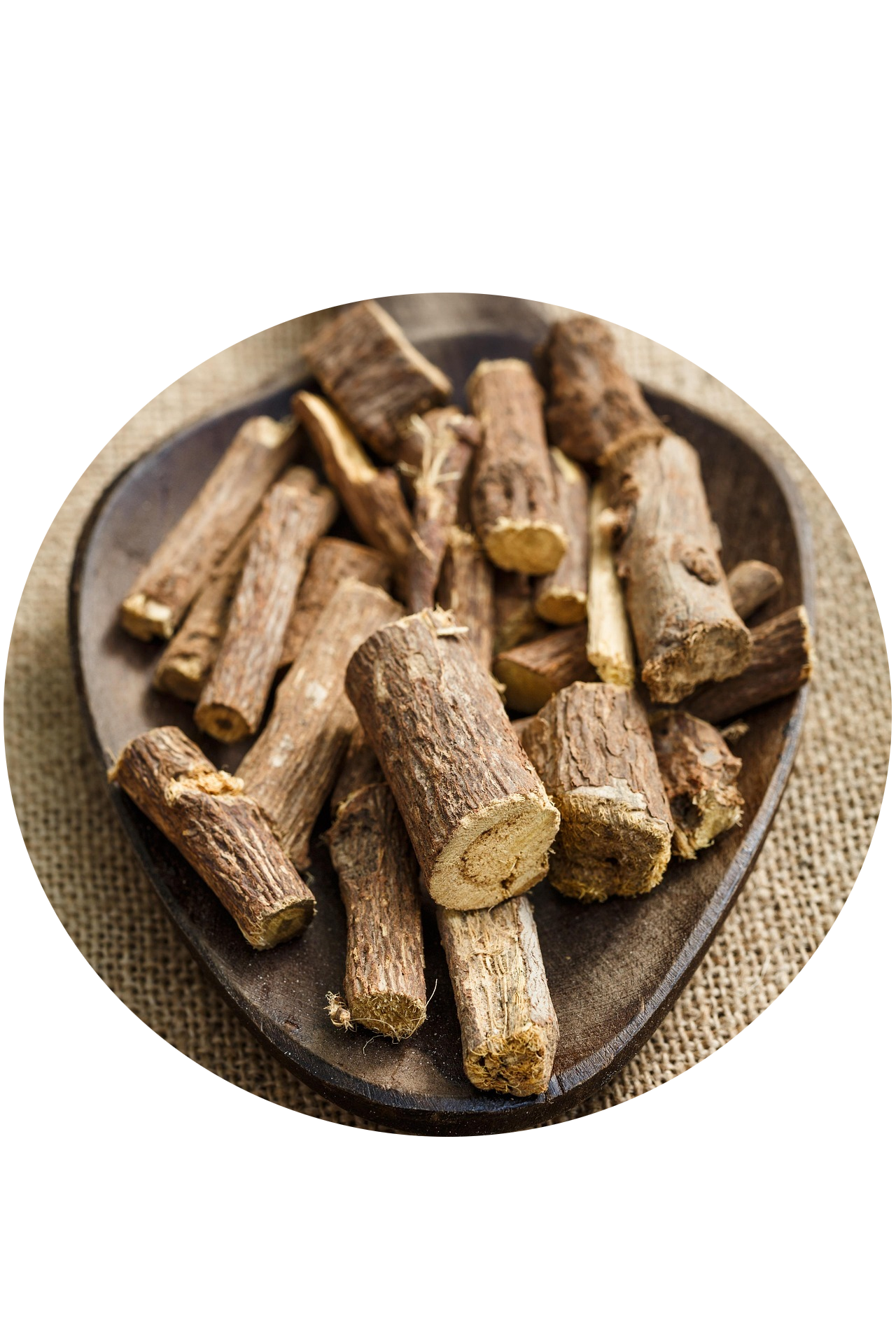
Chinese herbal medicine has various schools of thought and traditions. Most of these emphasize the use of concise herbal medicine formulas which are composed of just a few plants - commonly the roots- with generally fewer than 15 per formula, and rarely more than 20.
The combination of multiple plants creates synergy among the medicinal substance which is able to better adjust the physiology of a patient. In the same way expert cooking can balance flavors to bring out the best qualities of each food, a well balanced formula will bring out the best qualities of the herbs, thereby enhancing the therapeutic effect.
-
In Chinese Medicine, children are considered to have physiology that is different from that of adults. In other words, they are not just little adults. Unique insights from this perspective give us treatment strategies that are both gentle and highly effective.
Because children’s organ systems, especially the digestive and respiratory systems, are still developing, the herbal formulas prescribed are typically mild and well tolerated. Harsh and strongly flavored herbs are avoided in favor of a more gentle approach.
Often children do not need to receive acupuncture needling because they are highly responsive to gentler techniques, such as acupressure.
-
The Yi Jing (also romanized as I Ching), often translated as the Book of Changes, is a classical Chinese text that has been studied for centuries. The eternal truths found in it have deeply influenced Chinese philosophy and metaphysics.
Through the simple symbols used within the Yi Jing, one can be given profound insight into complex situations. Thus, providing a timeless framework for self-reflection and thoughtful decision-making. This is why it has been used through the ages as a method for divination.
“I have practiced and taught Chinese Medicine for over two decades, and have had the honor of knowing Browning Smith since he was a student. He was more knowledgeable than any other student I’ve ever taught. I have been so impressed with Dr. Smith’s high level of skills, he has become my acupuncturist. His needling technique, knowledge of medicine, and therapeutic results are unsurpassed.”
Randine Lewis, L.Ac., Ph.D., FABORM, and author of The Infertility Cure and The Way of the Fertile Soul